For commercial building owners and facility leaders, managing fixed operational costs is an ongoing challenge—especially as property insurance premiums continue to rise. While many view fire sprinklers, alarm monitoring, and backflow testing strictly as code compliance expenses, modern fire protection is actually an investment that directly reduces annual insurance costs.
Understanding how underwriters calculate risk allows property owners to leverage fire safety infrastructure to secure lower rates, protect business continuity, and generate a clear return on investment.
How Underwriters Rate Commercial Fire Risk
Insurance carriers evaluate commercial properties using four primary risk factors: building construction, occupancy type, external hazards, and active fire protection.
While construction materials and location are difficult to change,
upgrading fire protection equipment is the single most effective way building owners can lower their property risk score and reduce premiums.
The Upgrades That Drive the Highest Insurance Discounts
Underwriters reserve their largest rate reductions for properties protected by multi-layered, verified fire suppression systems.
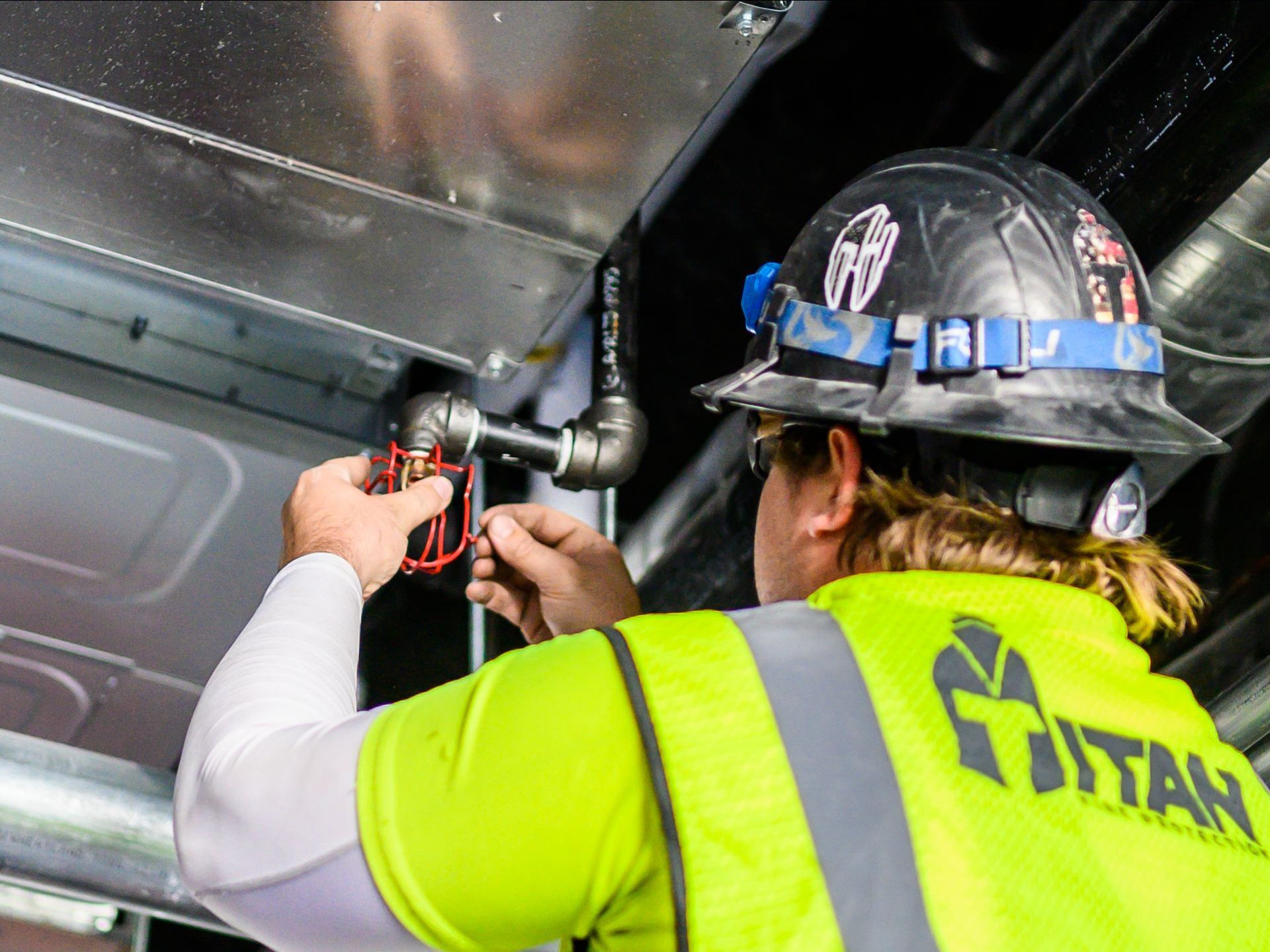
- Automatic Fire Sprinklers (20%–50% Premium Discount): Sprinklers contain or extinguish over ninety percent of fires before emergency crews arrive. Because they react immediately at the heat source, they trigger the single largest insurance credit available.
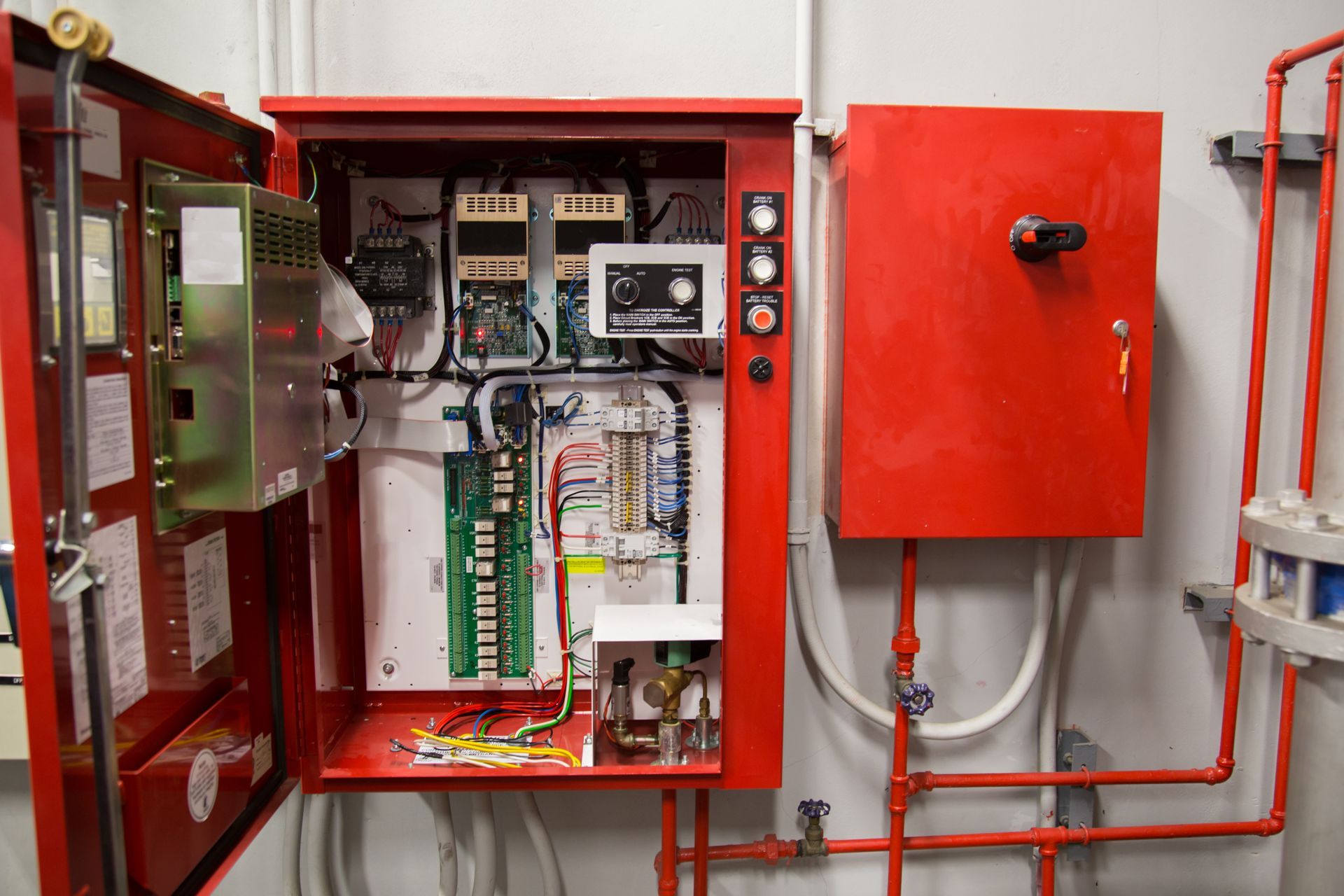
- 24/7 Central Alarm Monitoring (5%–15% Additional Discount): Local alarm bells only warn occupants inside the building. Connecting alarms and waterflow switches to a certified central monitoring station ensures immediate emergency dispatch after hours, preventing catastrophic loss.
- Tested Backflow Preventers & Water Supply: Sprinklers depend on reliable municipal water pressure. Routine backflow and flow testing prove to underwriters that your system will perform when needed.
Safeguarding Revenue and Business Continuity
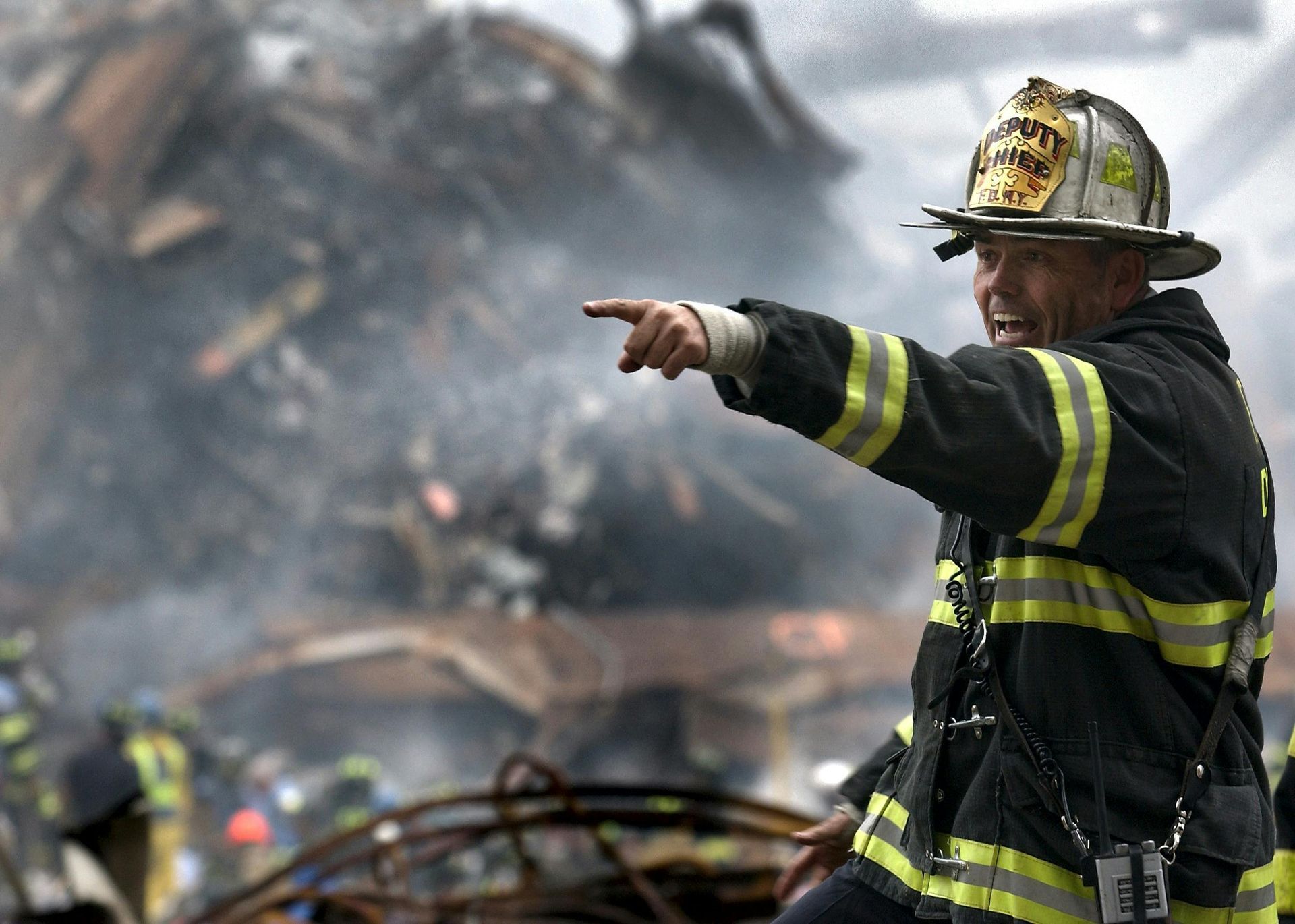
The financial benefit of fire safety extends far beyond lower insurance premiums. Industry data shows that nearly forty percent of small to mid-sized businesses never reopen after a major fire—even with full property insurance coverage.
Standard policies cover physical rebuilding costs, but they rarely recover lost market share, displaced staff, or clients who move to competitors during an extended shutdown. Quick suppression limits damage to a contained area, allowing operations to resume in days rather than months.
Protecting Your Discounts with Certified Inspections
An installed system only provides savings if you can prove it works. Insurance auditors regularly review inspection logs during policy renewals, and missing records can lead to surcharges or canceled discounts.
- Maintain NFPA Inspection Schedules: Keep up with required annual, semi-annual, and quarterly testing for sprinklers, alarms, and backflow preventers.
- Keep Digital Compliance Logs: Maintain organized inspection records to present during insurance risk audits.
- Partner with Licensed Professionals: Work with certified fire protection specialists who understand local codes, NFPA standards, and carrier requirements.
Upgrading and maintaining your fire safety systems protects your workforce, safeguards your physical assets, and delivers measurable operating savings year after year.