Fire behaves predictably in one way: it grows exponentially, not gradually. A flame that's manageable at 30 seconds can be doubling in size by 60, and doubling again shortly after. For property managers, building engineers, and facility staff, that first minute is the single most important window in the entire event — often determining whether a fire is a contained incident or a full-scale evacuation.
Here's what actually happens in those first 60 seconds, and what needs to go right.
Seconds 0–15:
Detection
The clock starts the moment heat, smoke, or flame reaches a level a detection system can sense. This is where system design matters enormously — the type and placement of detectors, and whether they're properly maintained, determines how much of that first minute gets used up before anyone even knows there's a fire.
- Properly maintained smoke and heat detectors should trigger within seconds of ignition
- Detector placement and sensitivity settings need to match the hazard class of the space, since a poor match delays detection
- Deferred inspection or testing is one of the most common reasons detection systems fail to activate quickly when it matters
A building that has skipped routine inspection and testing is effectively gambling on this stage.
Seconds 15–30:
Notification
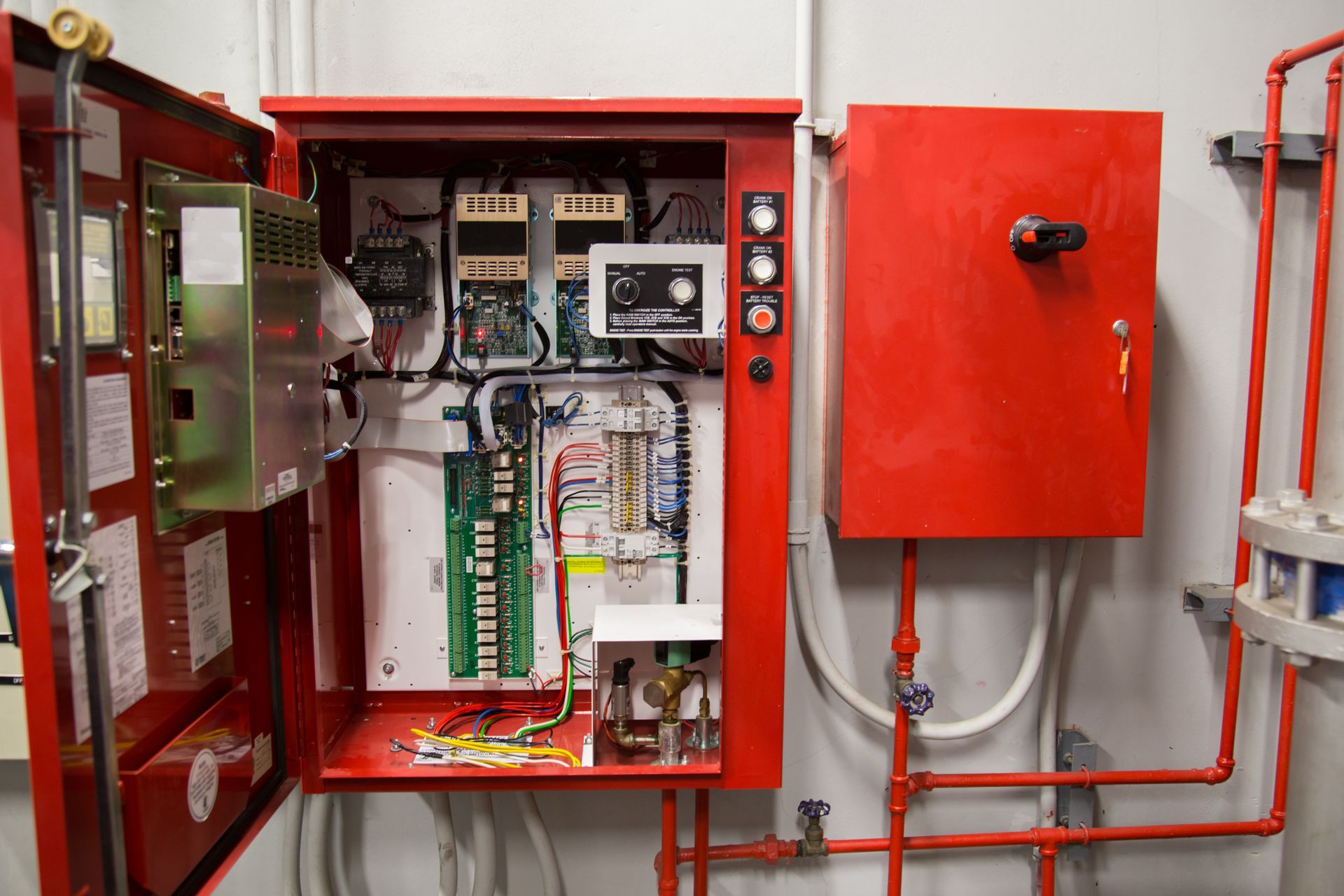
Once a fire is detected, the next priority is getting that information to everyone in the building, immediately and clearly. This is where alarm and mass notification systems earn their keep.
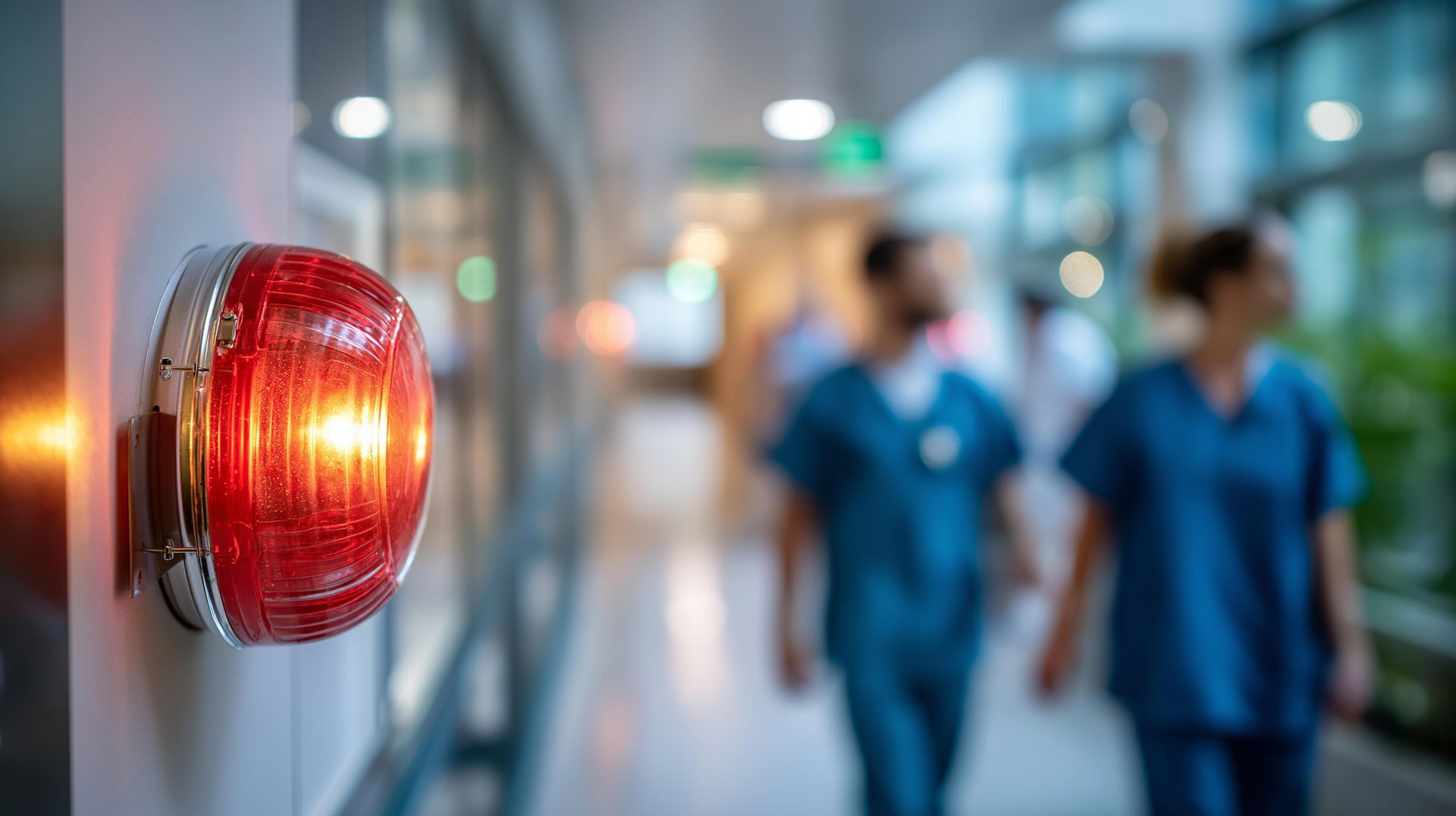
- Audible and visual alarms need to reach every occupied area, including spaces where ambient noise might drown out a standard alarm
- In larger or multi-tenant buildings, a mass notification system can deliver specific instructions rather than just a generic alert, which reduces confusion and hesitation
- Monitoring systems should simultaneously alert emergency responders, so dispatch isn't waiting on a phone call from someone inside the building
Every second spent confirming "is that a real alarm?" is a second not spent evacuating or responding.
Seconds 30–45:
Initial Suppression Response
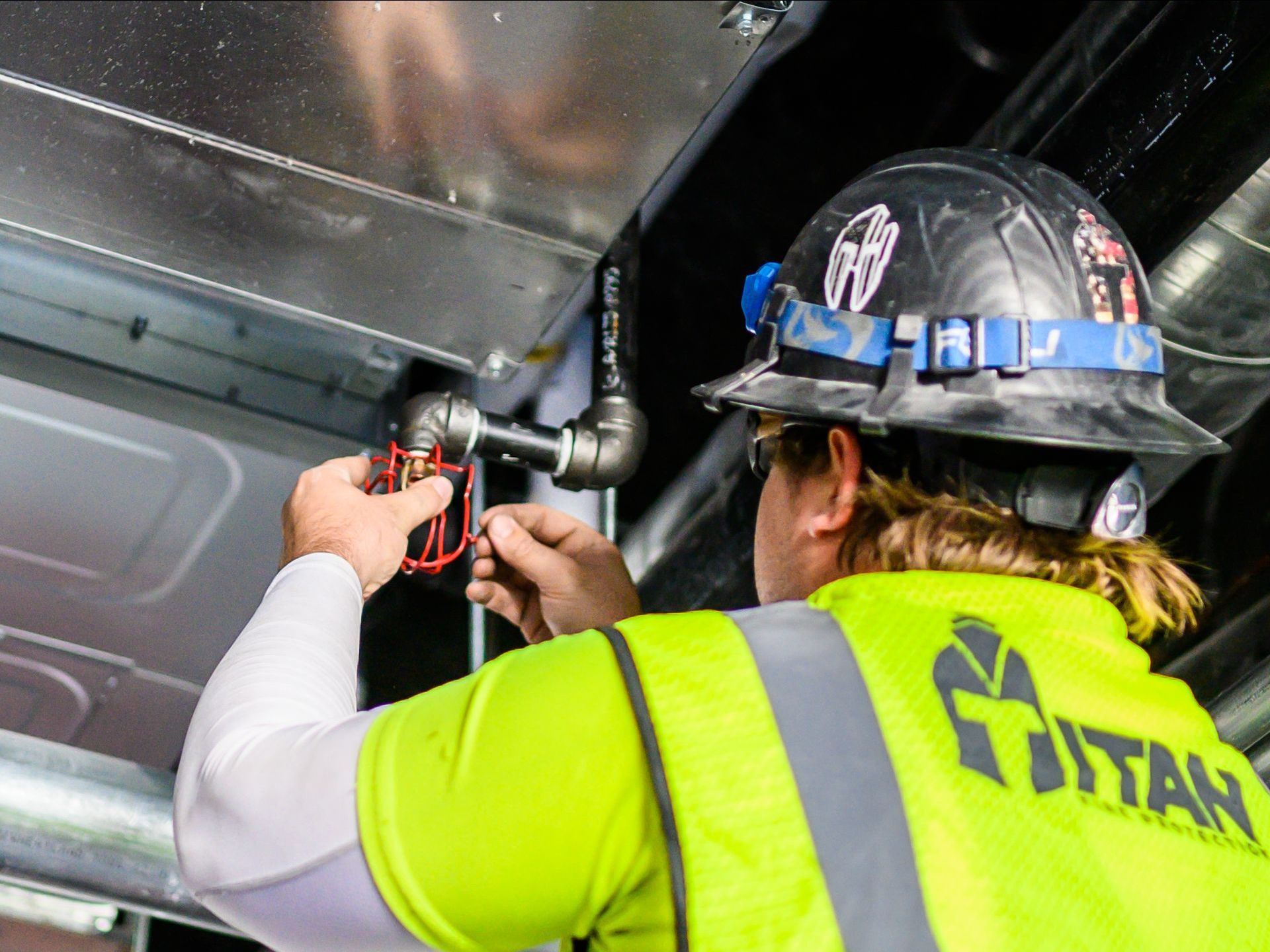
If the building has automatic suppression in place, this is typically when it activates. A properly designed sprinkler or special hazard system doesn't wait for human response — it's already working before most occupants have processed what's happening.
- Automatic sprinkler activation at the fire's location is often what keeps a small fire from becoming an uncontrolled one
- Special hazard suppression systems (gas, foam, or chemical) matter especially in areas where water-based suppression isn't appropriate, like server rooms or areas with sensitive equipment
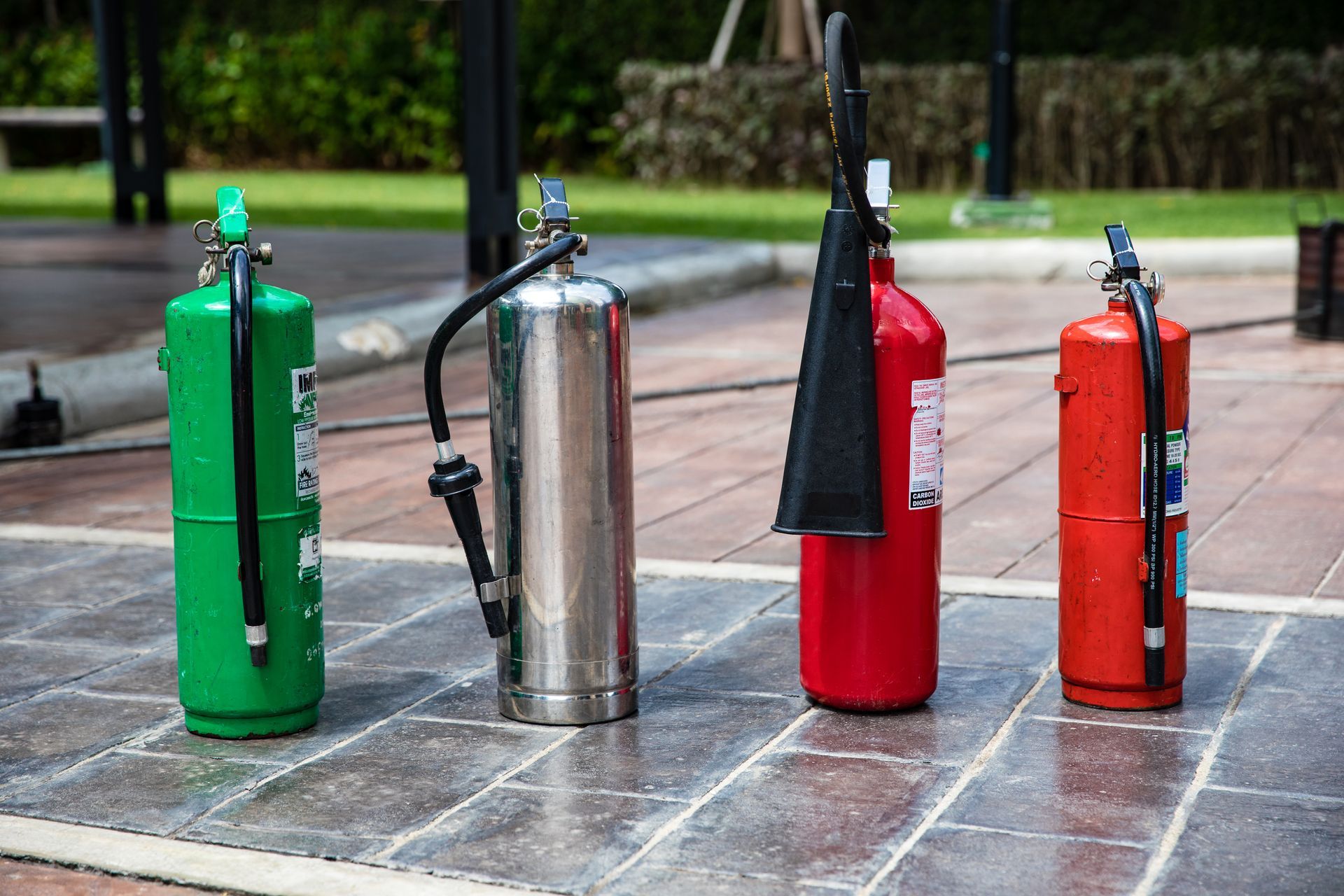
- A properly maintained fire extinguisher, in the hands of a trained employee, can also stop a small, contained fire at this stage — but only if staff know its location and how to use it
This is the stage where prior investment in the right system for the specific occupancy and hazard class pays off.
Seconds 45–60:
Human Response
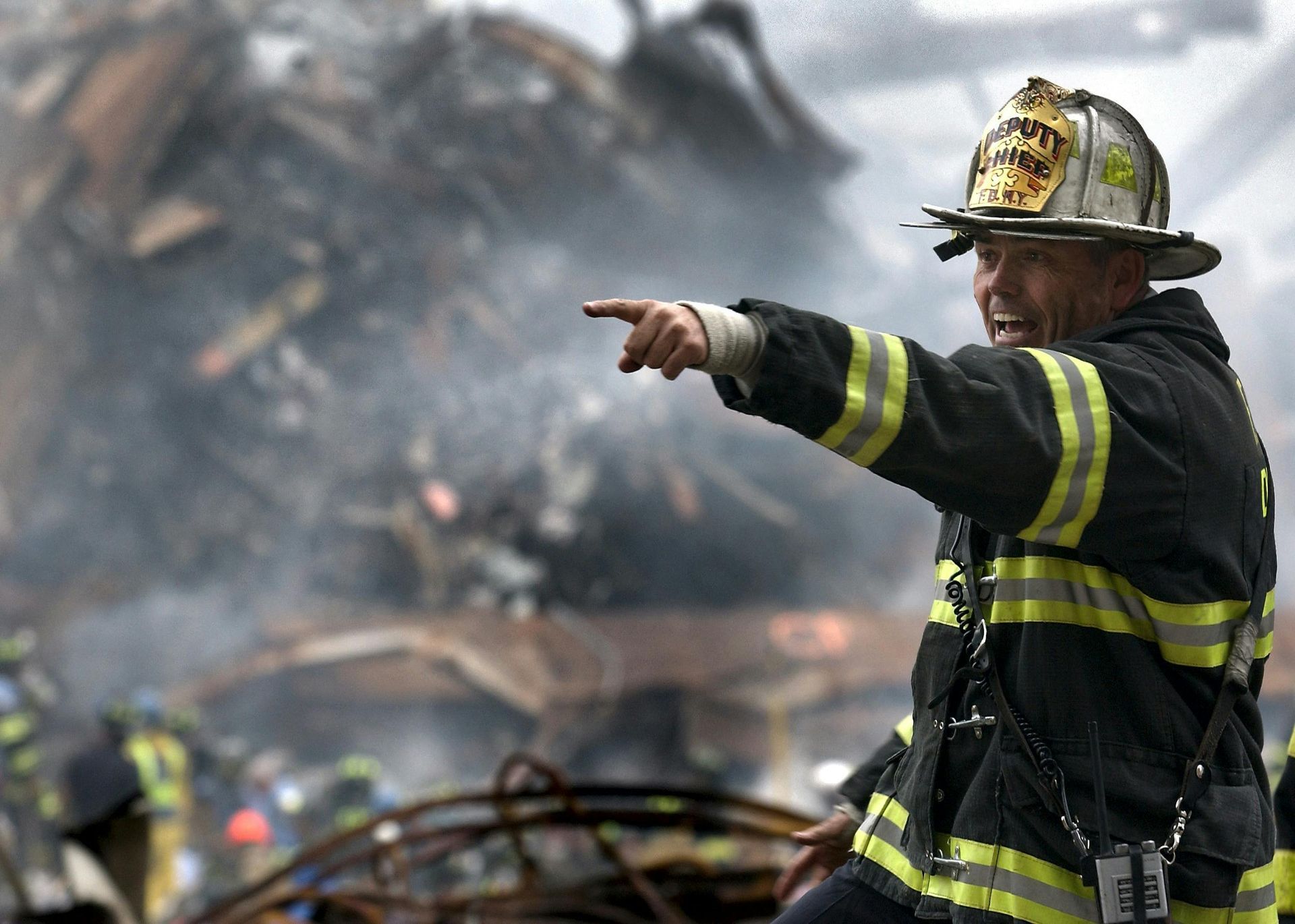
By now, systems have done what they're designed to do — detect, notify, and (if applicable) begin suppression. What happens next depends heavily on whether people know their role.
- Staff should know evacuation routes without needing to think about it, which only comes from regular fire drills
- Anyone attempting to use a fire extinguisher should already be trained; hesitating to read instructions during an actual fire costs critical time
- Designated staff should know how to assist with orderly evacuation, particularly in occupancies with limited mobility populations
A building can have excellent fire protection systems and still lose valuable time if occupants don't know what to do the moment the alarm sounds.
Why the First Minute Depends on Decisions Made Long Before It
The uncomfortable truth about the first 60 seconds of a fire is that almost none of it is improvised in the moment — it's the result of decisions made months or years earlier.
Detector placement, inspection schedules, system design for the specific hazard class, and staff training all determine how that minute plays out long before a fire ever starts.
At Titan Fire & Life Safety, we design, install, and maintain the systems that make that first minute count — from detection and notification to suppression tailored to your building's specific occupancy and hazard class. If it's been a while since your last inspection, or you're unsure whether your current systems are matched to your space, reach out to our team in Vista for a consultation.