For many businesses and property owners, fire safety compliance is viewed as another item on a long regulatory checklist. However, treating it as a one-time obligation rather than an ongoing responsibility can have serious financial, operational, and legal consequences.
Fire protection systems are designed to do far more than satisfy code requirements—they protect lives, preserve property, reduce business interruptions, and help organizations recover quickly after an emergency. Regular inspections, testing, maintenance, and code compliance are essential components of an effective fire protection strategy.
Whether you own a commercial building, manage multiple properties, oversee a construction project, or operate an industrial facility, understanding the true cost of non-compliance can help you avoid expensive mistakes.
Compliance Is About More Than Passing an Inspection
Many business owners focus on preparing for annual inspections or fire marshal visits. While passing an inspection is important, compliance should be viewed as an ongoing process rather than a yearly event.
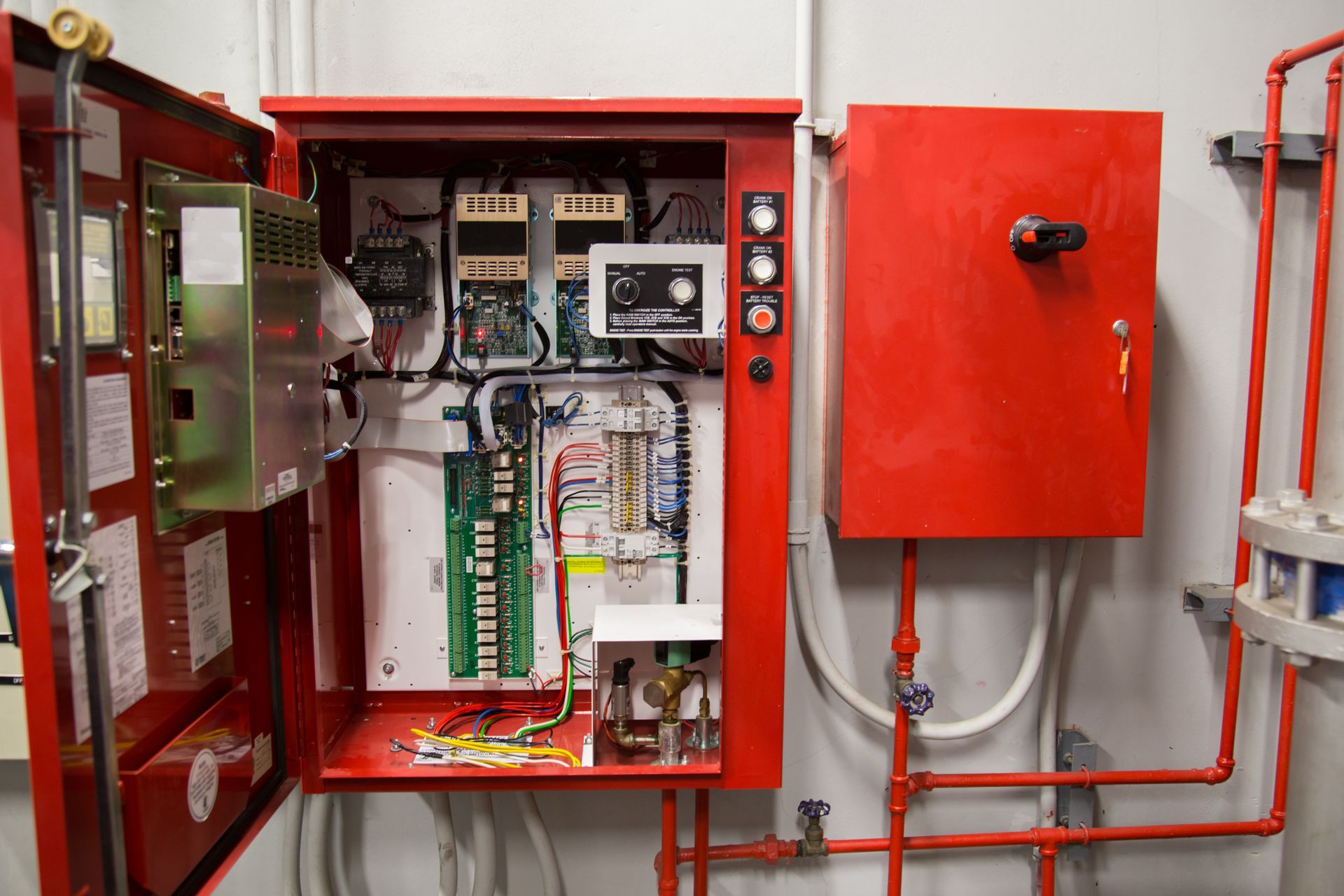
Fire protection systems—including fire alarms, sprinklers, suppression systems, emergency lighting, and exit signage—must be properly maintained to function when they're needed most. A compliant building today can quickly become non-compliant if required inspections, repairs, or maintenance are neglected.
Financial Penalties Add Up Quickly
One of the most immediate consequences of ignoring fire safety compliance is the financial impact.
Depending on the violation, businesses may face:
- Costly code violation fines
- Failed inspections
- Required emergency repairs
- Delayed occupancy approvals
- Increased insurance costs
- Project delays
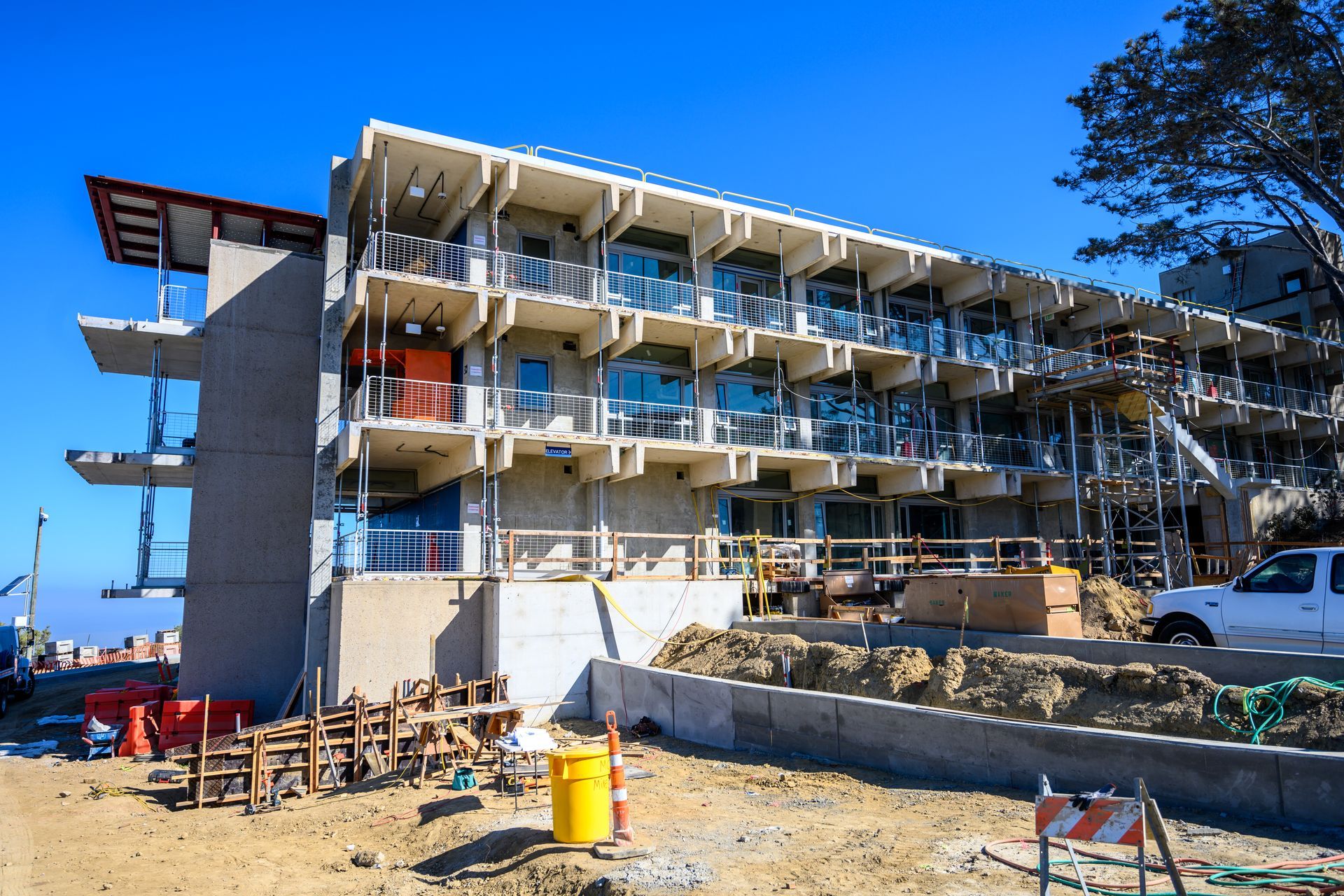
For construction projects, unresolved fire protection deficiencies can delay inspections, certificates of occupancy, and final project completion. Every day a project is delayed represents lost revenue and additional expenses.
Business Downtime Can Be More Expensive Than Repairs
Many organizations focus solely on the cost of maintaining fire protection systems without considering the cost of a system failure.
If a fire protection deficiency leads to a shutdown, the financial losses often include:
- Lost productivity
- Missed business opportunities
- Interrupted customer service
- Employee downtime
- Emergency repair costs
- Potential relocation expenses
For manufacturers, warehouses, healthcare facilities, and commercial buildings, even a short interruption can have significant operational consequences.
Liability Increases When Systems Are Not Maintained
Fire safety compliance also plays an important role in managing legal risk.
If a fire occurs and investigators determine that required inspections or maintenance were neglected, building owners and businesses may face increased liability.
Potential consequences include:
- Property damage claims
- Personal injury lawsuits
- Regulatory investigations
- Contract disputes
- Insurance coverage complications
Maintaining proper documentation of inspections, testing, and repairs demonstrates a proactive commitment to life safety and regulatory compliance.
Insurance Companies Expect Proper Fire Protection
Many commercial insurance policies require fire protection systems to be maintained according to applicable codes and manufacturer recommendations.
If inspections have been skipped or critical systems were knowingly left inoperable, insurers may scrutinize claims more closely following a fire.
Routine maintenance not only helps protect occupants but can also support a smoother insurance claims process if an emergency occurs.
Small Problems Often Become Major Expenses
Many compliance issues begin as relatively minor maintenance concerns.
Examples include:
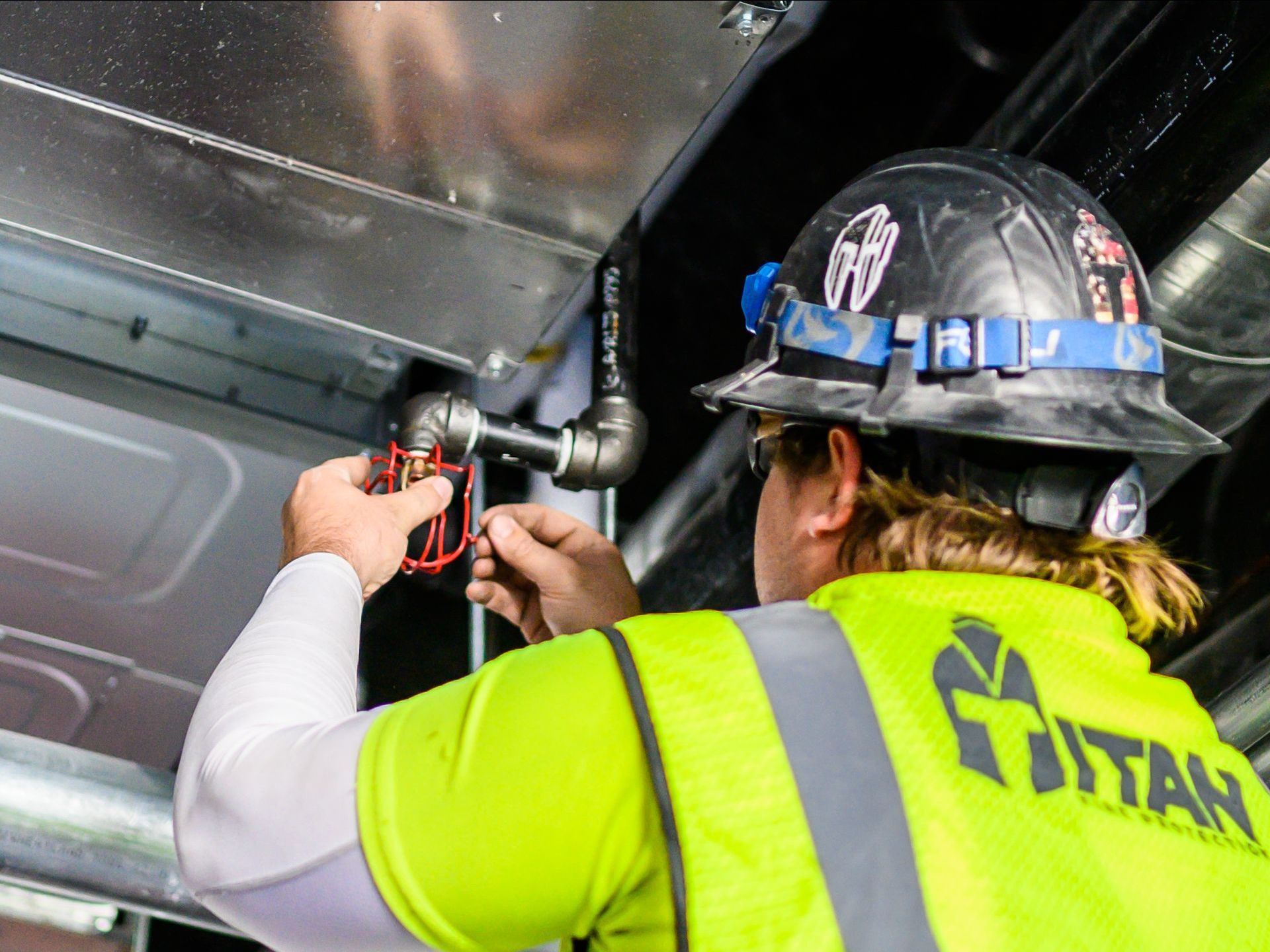
- A damaged sprinkler head
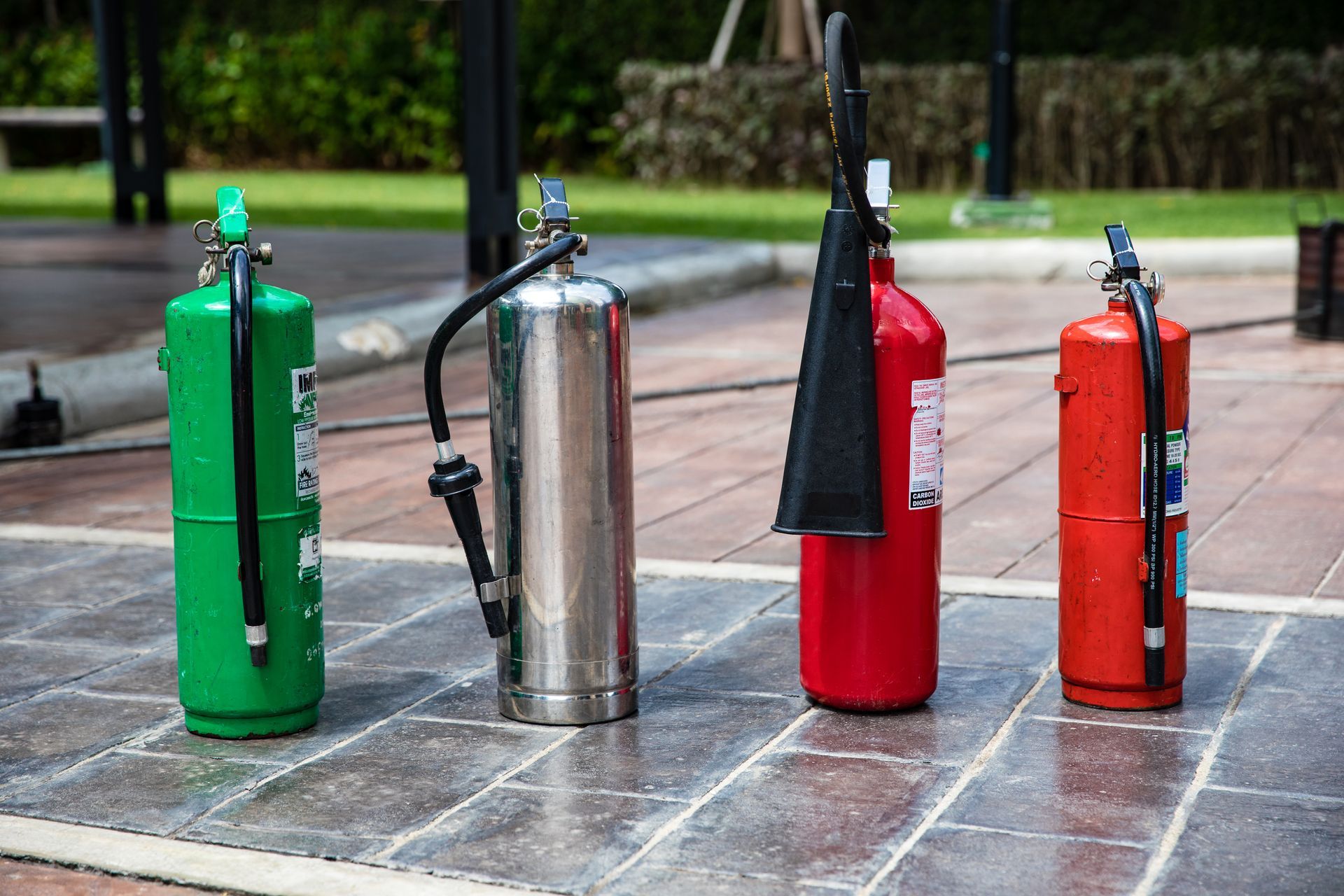
- An outdated fire extinguisher
- A malfunctioning smoke detector
- Blocked fire exits
- Inoperative emergency lighting
- Deficient alarm devices
These issues are often inexpensive to correct when identified early. Left unresolved, however, they can trigger additional violations, compromise system performance, or contribute to larger safety concerns.
Preventive maintenance is almost always less expensive than emergency repairs.
Compliance Protects Your Reputation
In today's business environment, reputation matters.
Customers, tenants, employees, and business partners expect facilities to prioritize safety.
A publicized fire code violation, failed inspection, or preventable emergency can damage trust and negatively affect your organization's reputation for years.
Demonstrating a commitment to fire safety sends a clear message that protecting people and property is a priority.
Fire Safety Is an Investment in Business Continuity
Every fire protection system is designed with one goal: minimizing loss when the unexpected happens.
Comprehensive fire protection strategies typically include:
- Fire sprinkler systems
- Fire alarm systems
- Fire suppression systems
- Emergency communication
- Routine inspections
- Preventive maintenance
- Code compliance evaluations
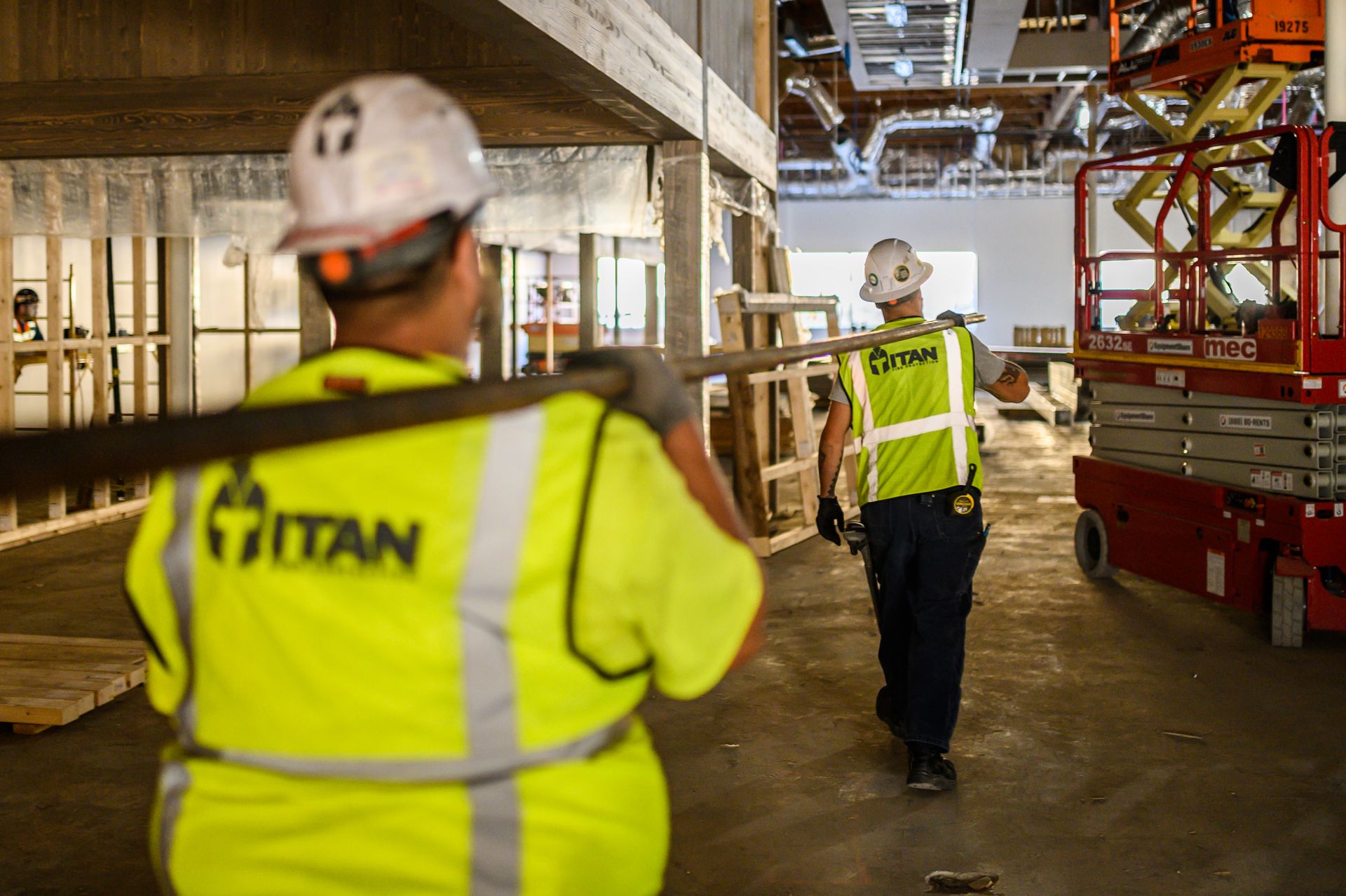
Working together, these systems help reduce the severity of emergencies while supporting faster recovery and continued operations. Titan Fire & Life Safety emphasizes integrated fire protection solutions that go beyond minimum code requirements to improve overall life safety.
Partner with Fire Protection Professionals
Fire codes evolve, buildings change, and occupancy requirements can shift over time. Staying compliant requires more than occasional inspections—it requires ongoing planning, regular testing, and expert guidance.
Partnering with experienced fire protection professionals helps ensure your systems remain compliant, reliable, and ready to perform when they matter most. From system design and installation to inspections, testing, maintenance, and code consulting, a proactive approach reduces risk while helping protect your people, property, and business operations.
Don't Wait Until Compliance Becomes a Crisis
The cost of ignoring fire safety compliance extends far beyond regulatory fines. It can impact your employees, customers, operations, reputation, and long-term financial stability.
Investing in routine inspections, preventive maintenance, and code-compliant fire protection systems is one of the most effective ways to safeguard your business. By addressing potential issues before they become emergencies, you create a safer environment while avoiding unnecessary expenses and operational disruptions.