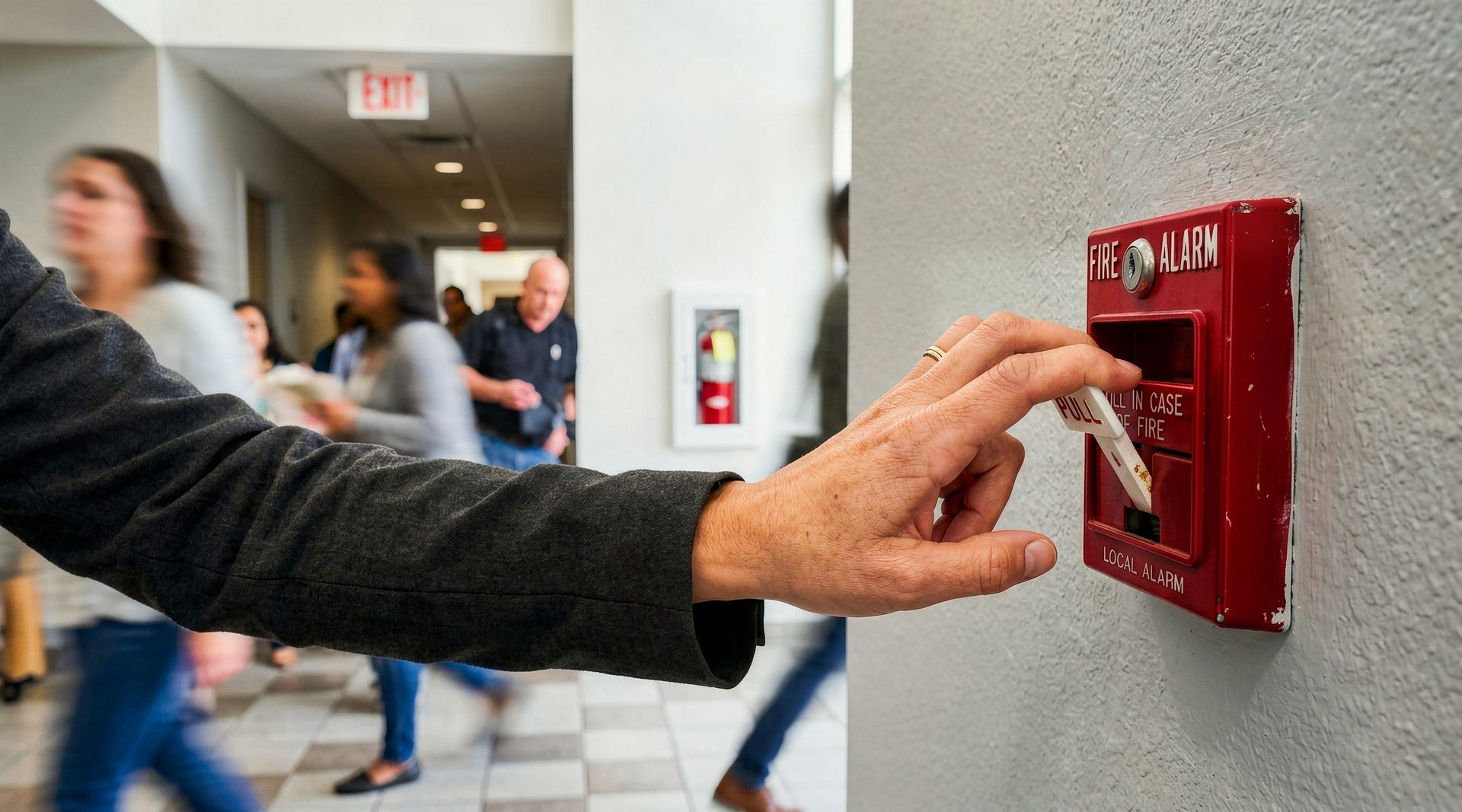
A fire alarm system is one of those things most people never think about — until the moment they need it. It's easy to treat inspections and maintenance as a compliance checkbox. But a fire alarm system isn't there to satisfy a code requirement. It's there for the seconds that matter most: the moment smoke fills a hallway, or fire breaks out in a mechanical room, and people need to get out safely.
When that system fails at the wrong moment, the consequences go far beyond a fine or a failed inspection report.
What "Failure" Actually Looks Like in a Real Emergency
A fire alarm failure during an actual event rarely looks like the system doing nothing at all. More often, it's partial or delayed — and that's what makes it dangerous. Real-world failure can look like:
- Detectors that don't trigger because of dust, corrosion, or age
- Notification devices (horns, strobes) that don't sound in every area of the building
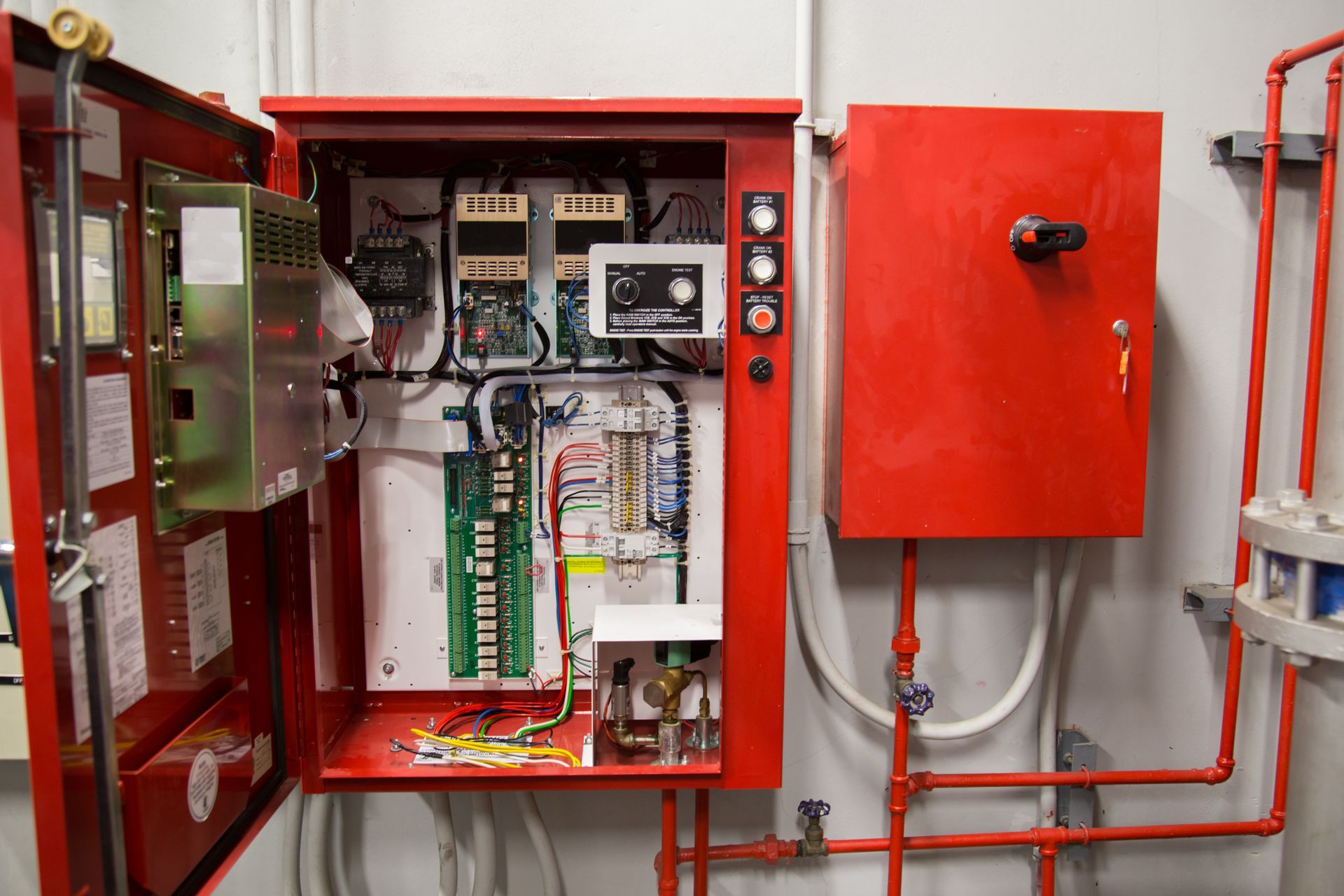
- A panel that registers the alarm but fails to properly notify the monitoring station
- Sprinkler systems that don't activate because of a closed valve or mechanical failure
- Delayed evacuation because occupants didn't hear or see a clear alert in time
Each of these scenarios buys the fire more time — and takes away time people need to get out.
Why Every Second Counts
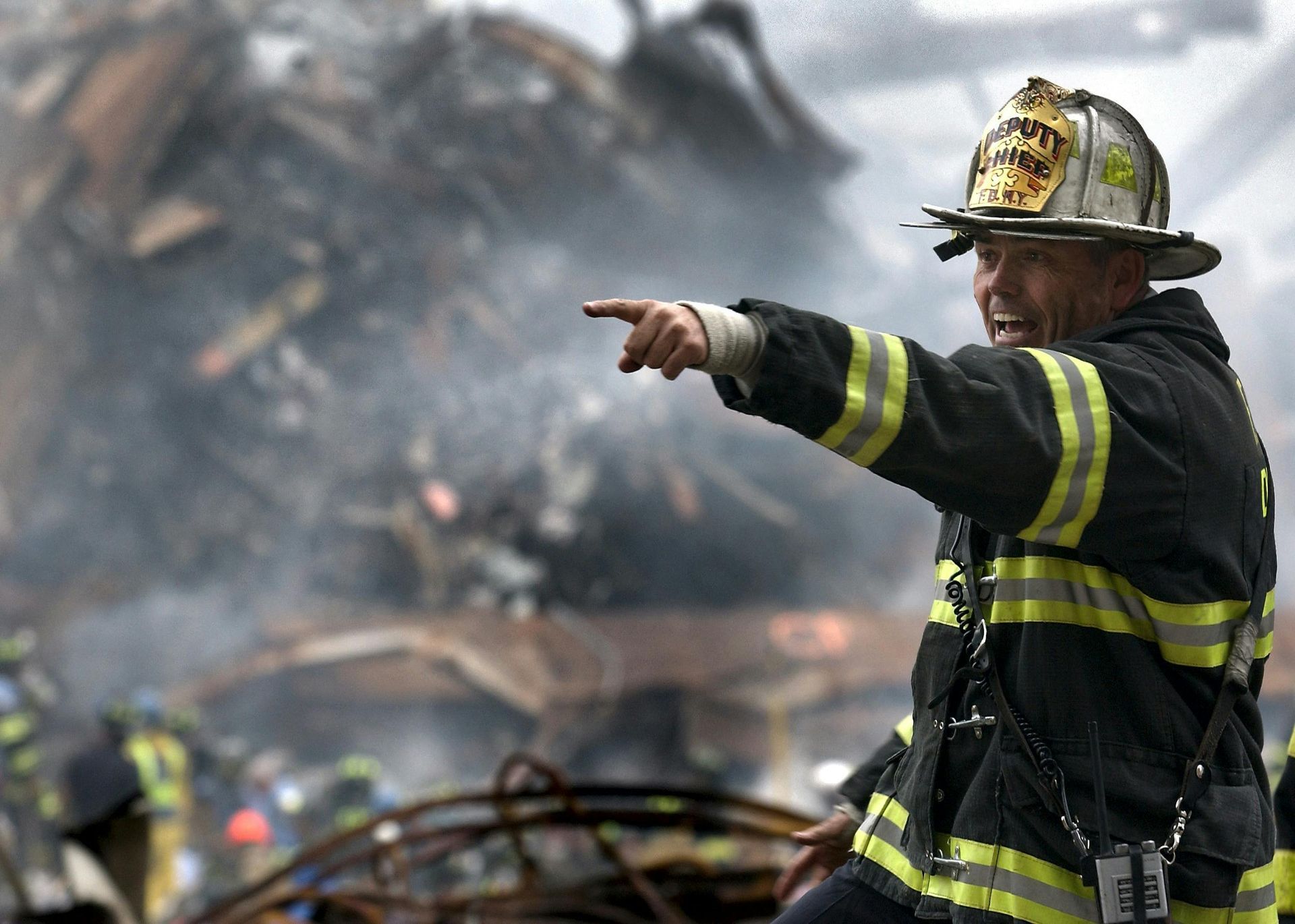
Fire spreads and smoke fills a space far faster than most people expect. A fire alarm's entire purpose is to shrink the gap between "fire starts" and "people are alerted and moving toward safety." When a system fails or underperforms, that gap widens — and in a real emergency, that gap is measured in lives, not just property damage.
This is why fire and life safety systems aren't just about meeting code. They're about giving people the earliest possible warning, every single time, without exception.
Why Systems Fail When They're Needed Most
Fire alarm systems don't usually fail because of one dramatic event — they fail because of small, overlooked issues that build up over time:
- Deferred maintenance. Systems that pass a basic annual inspection can still have components nearing the end of their service life.
- Environmental wear. Dust, humidity, and temperature extremes gradually degrade sensors and wiring, especially in industrial or older commercial buildings.
- Outdated equipment. Older panels and devices may no longer meet current code requirements or may lack the redundancy built into modern systems.
- Incomplete coverage. As buildings are renovated or repurposed, alarm and notification coverage doesn't always get updated to match new layouts.
None of these issues show up as an obvious red flag day to day — which is exactly why proactive testing matters more than a passive "it's probably fine" approach.
The Real Cost of a System That Doesn't Perform
When a fire alarm system fails during an actual emergency, the consequences extend well beyond the immediate incident:
- Life safety risk for occupants, tenants, and employees who don't get an early enough warning
- Increased property damage, since delayed detection means fire has more time to spread before response begins
- Liability exposure for building owners and property managers if a system is later found to have been improperly maintained
- Loss of trust from tenants, employees, or the public in a building's overall safety
These outcomes are almost always preventable with consistent inspection, testing, and maintenance.
What Proactive Maintenance Actually Prevents
Routine inspection and testing isn't just about staying compliant — it's about catching the small issues before they become the reason a system doesn't perform when it matters. Regular maintenance helps ensure:
- Every detector and notification device is fully functional
- Monitoring connections are properly relaying alarms
- Sprinkler systems and special hazard suppression are ready to activate
- Aging components are identified and addressed before they fail
A system that's properly maintained isn't just "compliant" — it's ready.
Protecting What Matters Most
A fire alarm system's job is simple in concept but critical in practice: give people the warning they need, the moment they need it. Treating inspection and maintenance as a genuine safety priority — not just a scheduled requirement — is what stands between a manageable incident and a life-threatening one.
For property managers, building engineers, and general contractors across San Diego County, Titan Fire & Life Safety provides the inspection, testing, and maintenance expertise to keep fire alarm and life safety systems ready when it counts.