Fire safety is no longer just about alarms and sprinklers. Today’s commercial fire protection systems are smarter, faster, and more connected than ever before.
For business owners, property managers, and facility directors, staying current with fire safety technology isn’t optional—it’s essential. New innovations are changing how fires are detected, controlled, and even prevented altogether.
If your system hasn’t been updated in years, there’s a good chance you’re relying on outdated protection.
Smart Fire Detection Is Changing Everything
Traditional fire alarms react after smoke or heat reaches a certain level. Modern systems go much further.
Today’s smart fire detection systems use
advanced sensors and real-time data to identify risks earlier and more accurately. They can detect changes in air quality, heat patterns, and even gas levels before a fire fully develops.
These systems are often connected to cloud-based platforms, allowing:
- Instant alerts to mobile devices
- Remote monitoring
- Faster emergency response
For businesses, that means less guesswork—and faster action when seconds matter.
Integrated Fire Protection Systems
One of the biggest shifts in fire safety is integration.
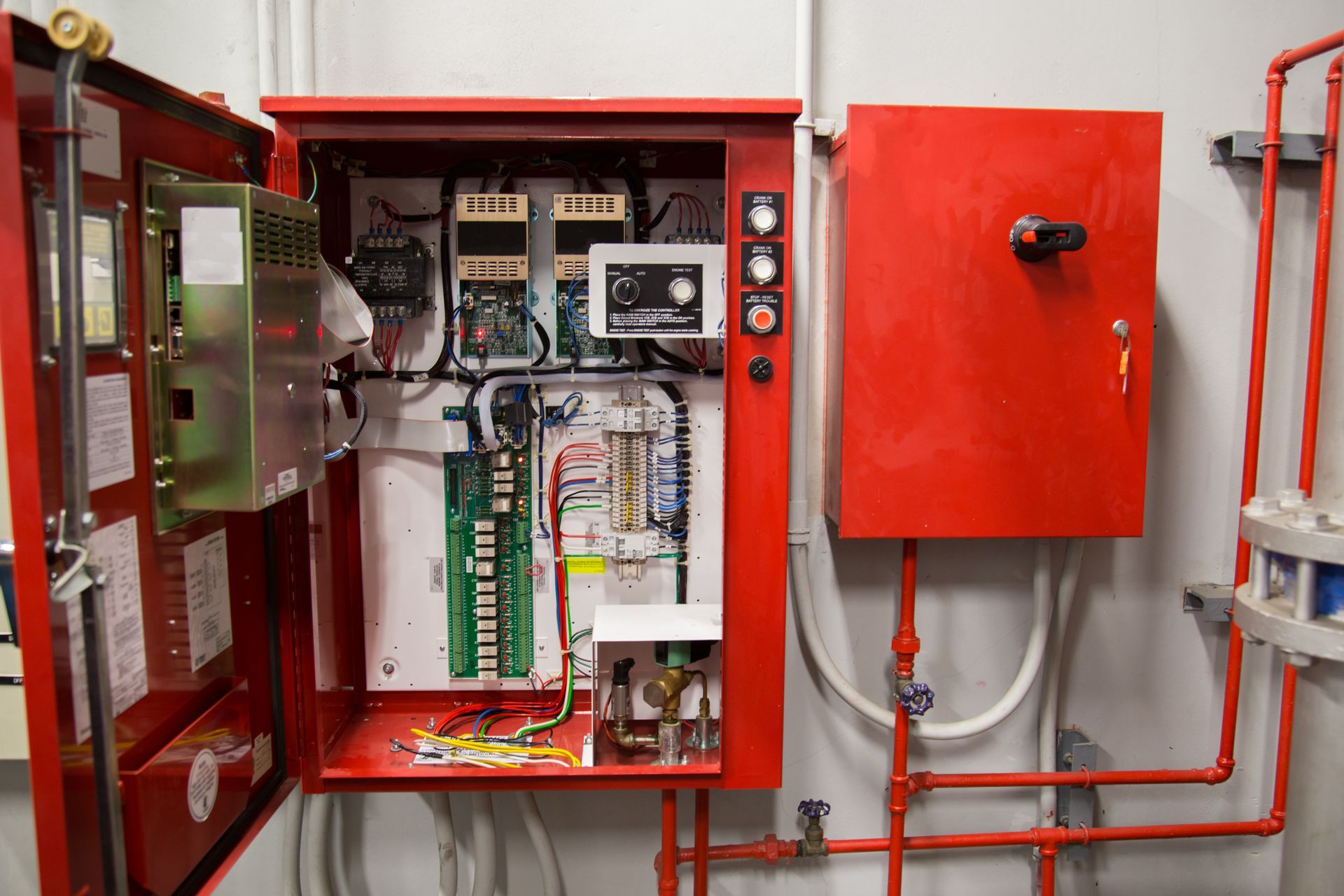
Instead of separate systems for alarms, sprinklers, and building controls, modern fire protection brings everything together into one centralized system.
This means your fire alarms can:
- Trigger ventilation changes
- Activate emergency lighting
- Communicate with building management systems
The result is a coordinated response that helps contain fire and guide safe evacuation more effectively.
“Smart” Fire Suppression Technology
Fire suppression systems have also evolved significantly.
New systems use
multi-sensor technology to detect heat, smoke, and flames simultaneously, allowing for faster and more precise activation.
Instead of flooding an entire space, advanced systems can:
- Target specific areas
- Reduce water damage
- Control fires earlier
This is especially important for businesses with sensitive equipment, inventory, or critical infrastructure.
IoT and Real-Time Monitoring
The Internet of Things (IoT) is transforming fire safety into a proactive system rather than a reactive one.
Connected devices continuously monitor system performance and conditions in real time. If something fails or becomes compromised, you’ll know immediately—not during an emergency.
This allows for:
- Predictive maintenance
- Fewer system failures
- Improved compliance with fire codes
For commercial properties, this level of visibility is a major advantage.
Fire & Smoke Control Innovations
Modern building design—especially open floor plans and large commercial spaces—has created new fire safety challenges.
To address this, technologies like
fire and smoke curtains are becoming more widely used. These systems deploy automatically during a fire to contain smoke and slow its spread without requiring permanent walls.
They are particularly effective in:
- Atriums
- Office buildings
- Mixed-use developments
This allows businesses to maintain open designs while still meeting strict safety requirements.
AI and Predictive Fire Safety
Artificial intelligence is beginning to play a larger role in fire protection.
AI-powered systems can analyze data, detect patterns, and identify potential risks before they escalate.
This includes:
- Predicting system failures
- Improving emergency response coordination
- Enhancing inspection and reporting processes
While still evolving, AI is quickly becoming a valuable tool in modern fire safety strategies.
Why This Matters for Your Business
Fire safety technology isn’t just about compliance—it’s about protection, continuity, and risk management.
Upgrading to modern systems can:
- Reduce property damage
- Minimize downtime
- Improve occupant safety
- Help meet evolving fire codes
As regulations tighten and buildings become more complex, older systems simply don’t provide the same level of protection.
Don’t Wait Until There’s a Problem
One of the biggest risks businesses face is assuming their current system is “good enough.”
In reality, outdated systems:
- React slower
- Lack integration
- Miss early warning signs
Modern fire protection is designed to detect, respond, and adapt—often before a fire becomes a major threat.
Partner With Experts Who Stay Ahead
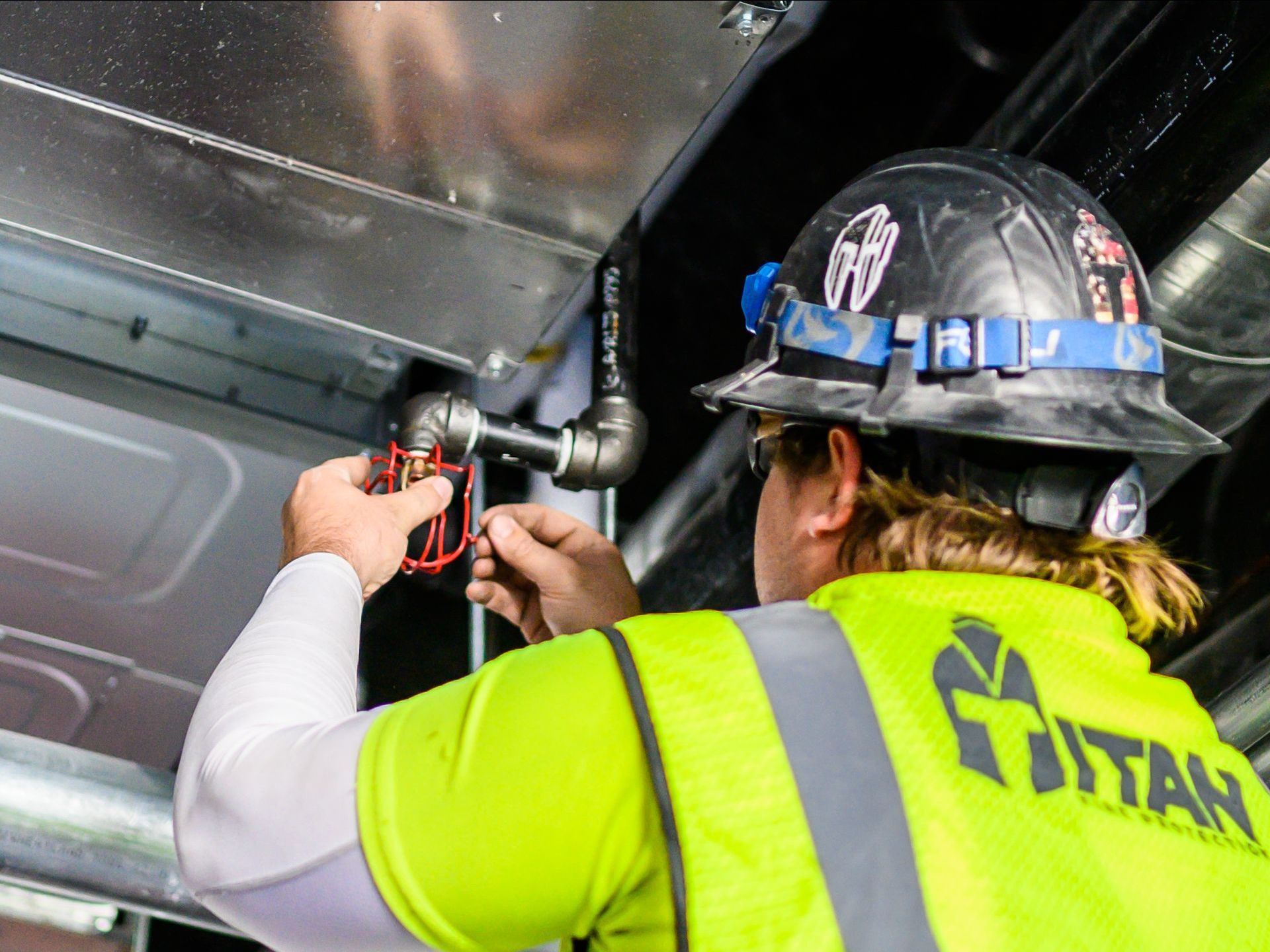
At Titan Fire & Life Safety, staying ahead of evolving fire safety technology is part of the job.
From system upgrades to full design and installation, working with experienced professionals ensures your building is protected with the most effective solutions available today.
Because when it comes to fire safety, being proactive isn’t just smart—it’s essential.