
How to Prepare for a Fire Marshall Inspection: A Facility Manager's Guide
A fire marshal inspection is not just a routine visit — it is a formal evaluation of whether your building meets fire and life safety code requirements. For facility managers, property owners, and business operators, preparation is the difference between a smooth inspection and costly violations, re-inspections, or operational delays.
Understanding what fire marshals look for and addressing issues in advance helps protect occupants, maintain compliance, and demonstrate that life safety is a priority, not an afterthought.
What Is a Fire Marshal Inspection?
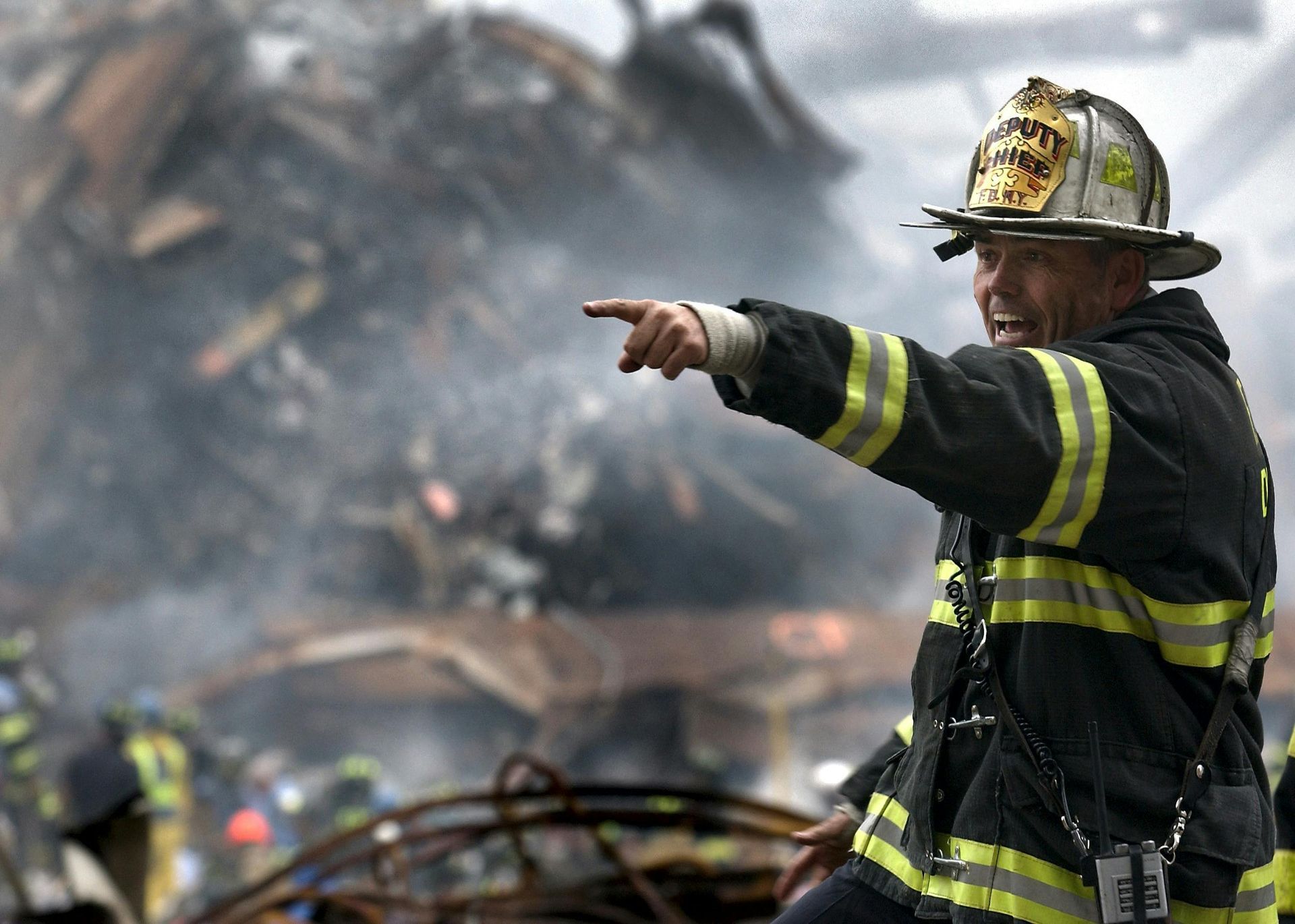
A fire marshal inspection is conducted by the local Authority Having Jurisdiction (AHJ) to verify that a building complies with fire codes, life safety regulations, and local ordinances. Inspections may be:
- Routine and scheduled
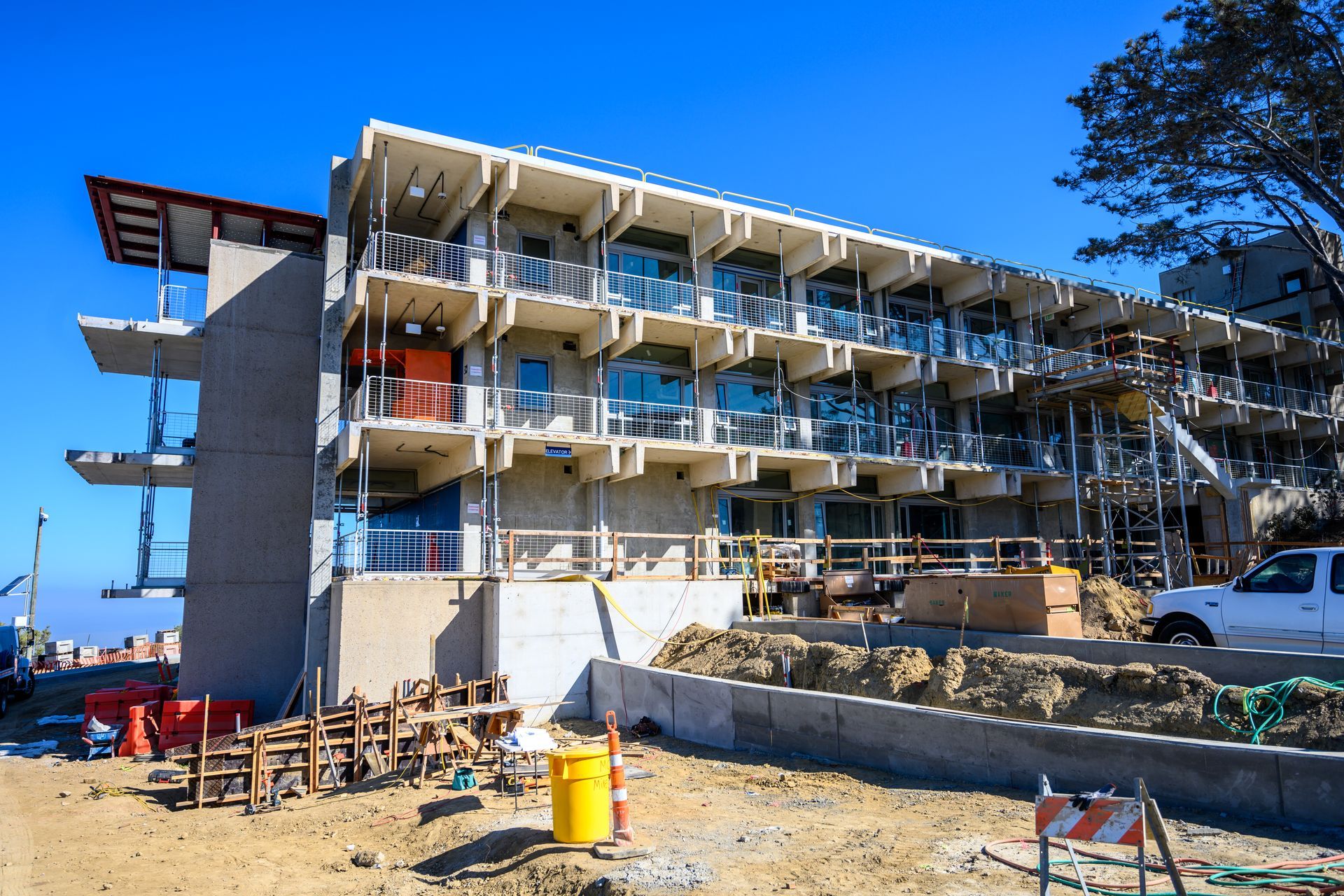
- Triggered by occupancy changes or renovations
- Required before issuing permits or certificates of occupancy
- Follow-ups to previous violations
Inspectors focus on systems and conditions that impact
life safety, fire prevention, and emergency response readiness.
Fire Protection Systems: First Area of Focus
One of the primary areas evaluated is the condition and compliance of installed fire protection systems.
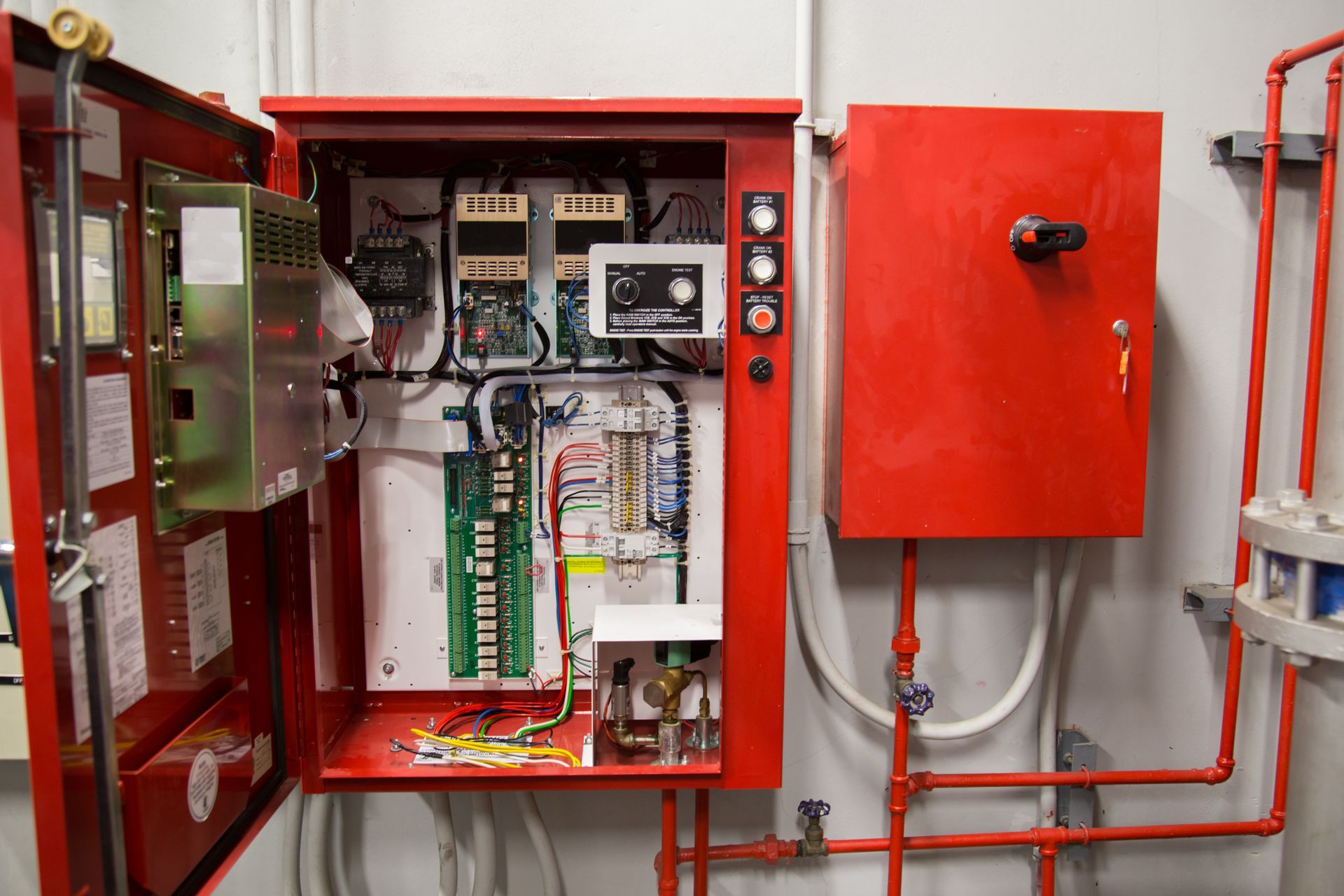
Fire Alarm Systems
Fire marshals verify that alarm systems are:
- Operational and free of trouble signals
- Recently inspected and tested
- Connected to monitoring where required
- Accessible, with unobstructed control panels
Documentation of recent inspections and testing is often requested on the spot.
Fire Sprinkler Systems
Inspectors check that sprinkler systems are:
- Free from visible damage or corrosion
- Equipped with properly maintained control valves
- Not obstructed by storage or ceiling modifications
- Up to date on required inspections, testing, and maintenance
Note: Improper storage clearance below sprinkler heads is a common violation.
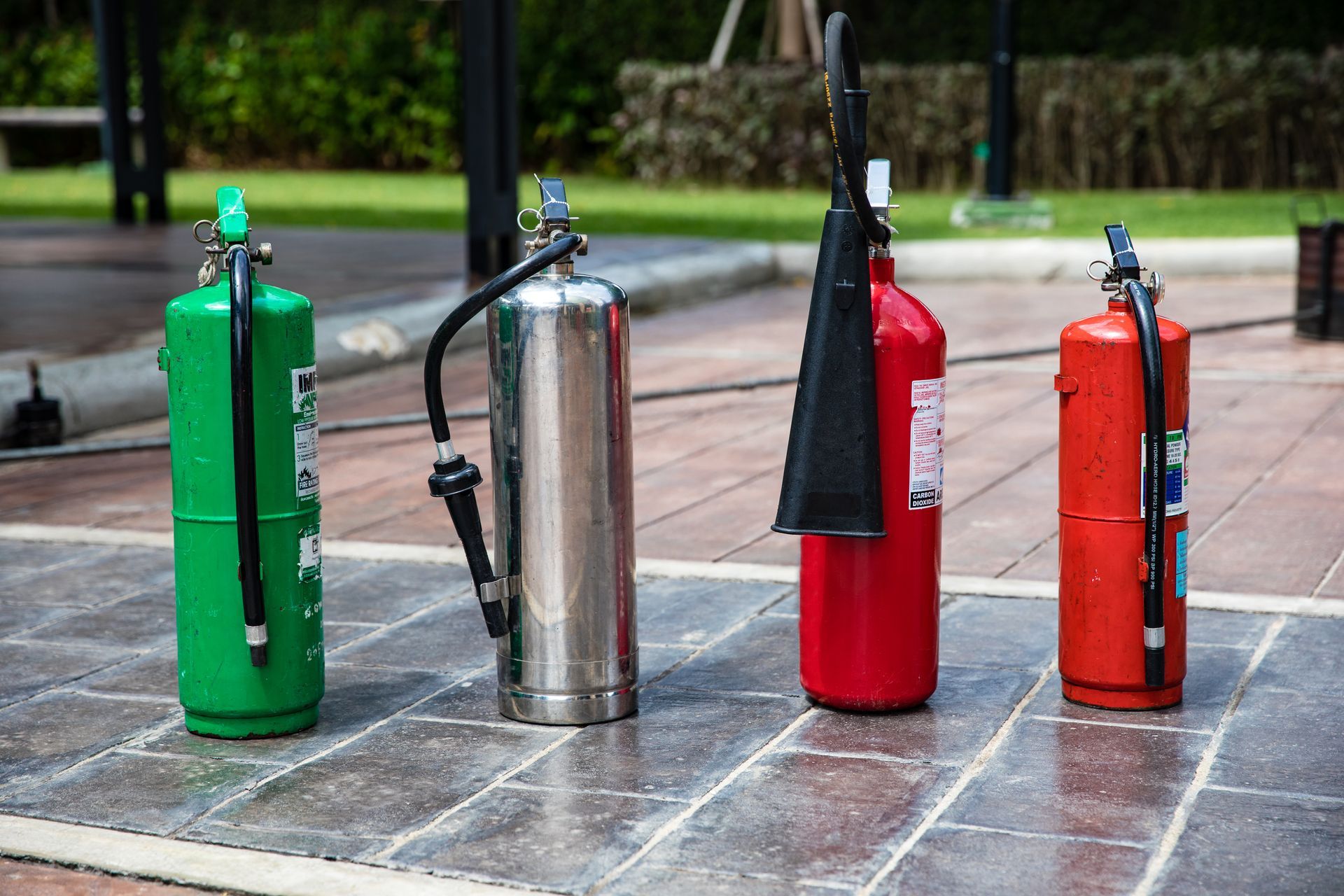
Fire Extinguishers
Extinguishers must be:
- Properly mounted and visible
- Correctly rated for the hazard
- Inspected monthly and serviced annually
- Fully charged with intact tamper seals
Missing inspection tags or blocked access can result in citations.
Means of Egress: A Critical Life Safety Issue
Safe evacuation is a top priority during any inspection. Fire marshals will assess:
- Clear, unobstructed exit pathways
- Properly illuminated exit signs
- Functioning emergency lighting
- Doors that open easily without special knowledge or keys
Blocked exits, locked exit doors, or storage in corridors are serious violations that can lead to immediate corrective orders.
Electrical and Fire Hazards
Inspectors also look for general fire hazards that increase risk. Common issues include:
- Overloaded power strips or extension cords used as permanent wiring
- Improper storage of combustible materials
- Blocked electrical panels (clearance is required)
- Unsafe use of space heaters or temporary equipment
Good housekeeping and adherence to electrical safety standards go a long way toward passing inspection.
Documentation and Records Matter
Even if systems are in good condition, lack of documentation can result in deficiencies. Have the following readily available:
- Fire alarm inspection and testing reports
- Sprinkler inspection, testing, and maintenance records
- Fire extinguisher service documentation
- Hood suppression system records (for commercial kitchens)
- Emergency lighting and exit sign test logs
Organized records demonstrate ongoing compliance and make the inspection process faster and more professional.
Staff Preparedness and Safety Procedures
Fire marshals may ask questions about building procedures and occupant readiness. Be prepared to show:
- Posted evacuation maps where required
- Fire drill records (for applicable occupancies)
- Staff knowledge of alarm response procedures
- Access to fire alarm panels and riser rooms
Buildings where staff understand basic emergency protocols reflect a strong culture of safety.
The Most Common Reasons Buildings Fail Inspections
Many violations are preventable with routine attention. Frequent issues include:
- Blocked exits or exit signage not illuminated
- Expired or missing fire extinguisher inspections
- Fire alarm panels in trouble or supervisory mode
- Missing inspection tags on sprinkler systems
- Storage too close to sprinkler heads
- Lack of required documentation
Proactive maintenance and regular internal checks can eliminate most of these problems.
How to Prepare Before the Inspector Arrives
A structured pre-inspection review is the best strategy.
- Walk all exit routes to ensure they are clear and properly marked.
- Check that extinguishers are visible, tagged, and unobstructed.
- Verify fire alarm panels show normal status.
- Confirm sprinkler valves are accessible and properly labeled.
- Gather all inspection and maintenance reports in one location.
- Address obvious hazards such as improper storage or electrical misuse.
Partnering with a qualified fire protection and life safety provider can help identify issues that may not be obvious to in-house staff.
Fire Inspections Are About Protection- Not Just Compliance
A fire marshal inspection is not simply a regulatory hurdle. It is an opportunity to ensure that your facility is prepared to protect lives and property in an emergency. Buildings that stay inspection-ready year-round are safer, more resilient, and less likely to face unexpected shutdowns or penalties.
With proper preparation, organized documentation, and well-maintained fire protection systems, inspections become routine confirmations of a strong life safety program rather than stressful events.
Being prepared is not just about passing — it is about proving your building is ready when it matters most.